Skip to content
YallahExpeditions
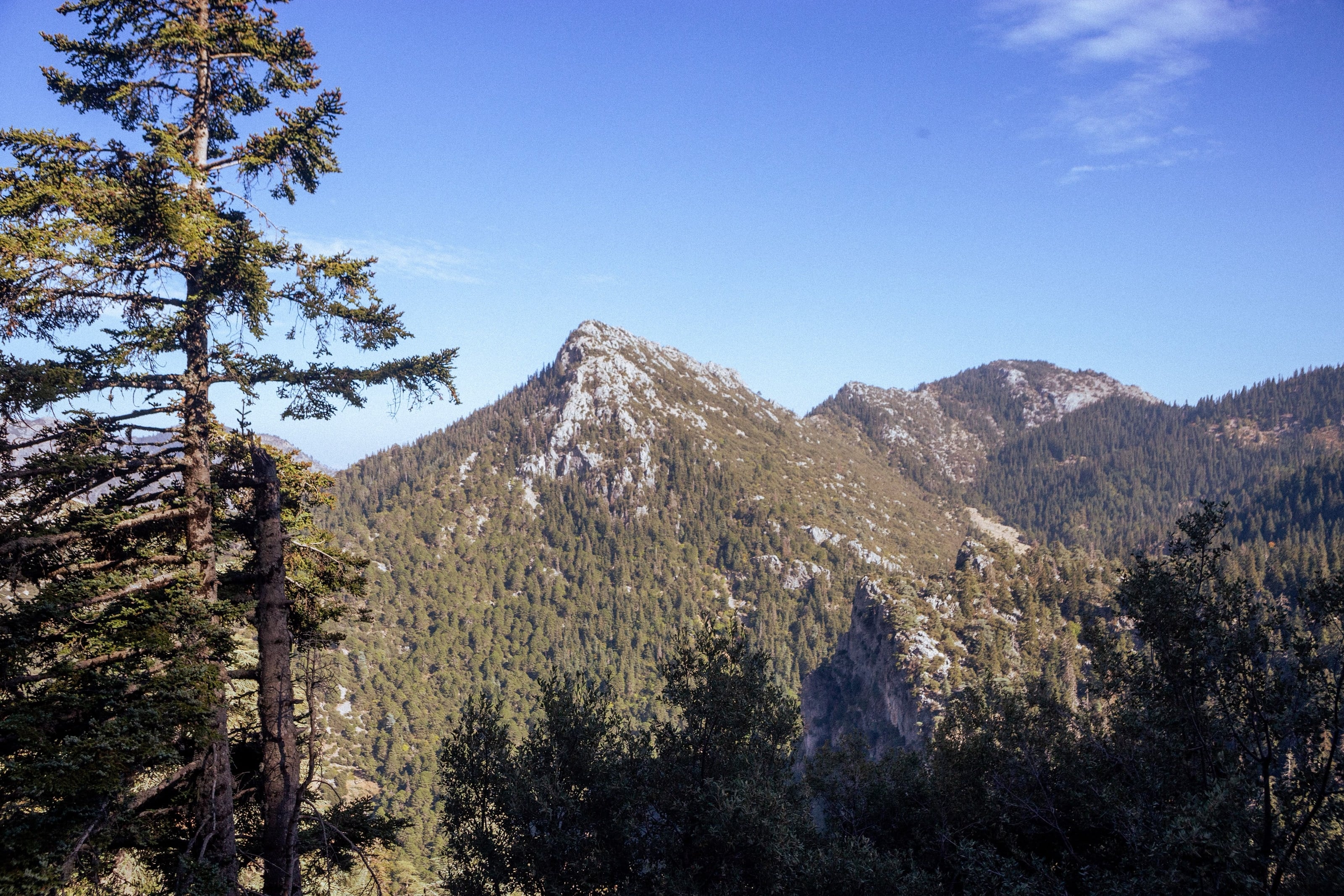
A rocky summit and pines in the high Rif valley at dawn

Morocco · Rif Mountains

Eight days in the wild heart of the Moroccan Rif

The Rif can't be told. Only lived.

Length
8 days
The Farm's altitude
1,500 m
Ways in
Tangier or Fez
Group size
Small groups
Meals, transport, guides
All included
The route

Where you're actually going

Two ways in and a single destination: the high plateaus of the Rif, inside Talassemtane National Park. Groups form according to the arrival city, and from the first day in the mountains they travel together.

  1. From Tangier · about 3 hours

    A walk through Chefchaouen, then the climb to the Farm in vehicles built for the mountains.

  2. From Fez · about 3 hours north

    A night in a riad, departure the next morning, a lunch stop on the way and a short pause in Chefchaouen.

  3. The last hour · inside the park

    The road crosses the forests of Talassemtane, home to Barbary macaques — the only ones in North Africa.

  4. To the camp · 3 hours on foot

    On day three you leave the Farm and walk to Yallah Camping. You sleep under canvas.

  5. The Akchour waterfalls · by Land Rover

    On day five, water-carved gorges and natural pools in the heart of the park.

The Farm and the camp are marked approximately: they're a private house and a forest bivouac.

Map of the route through the Moroccan RifThe Rif is the mountain range of northern Morocco, facing the Mediterranean, fourteen kilometres from Spain across the Strait of Gibraltar. You fly into Tangier, on the strait, or into Fez, about three hours further south. Both groups pass through Chefchaouen, the blue city, and continue to the Farm, the house at 1,500 metres inside Talassemtane National Park. From the Farm you walk to the tented camp, and drive by Land Rover to the Akchour waterfalls.34°N35°N36°N6°W5°WSpainMoroccoStrait of Gibraltar14 km from EuropeMediterranean SeaAtlantic OceanMiddle AtlasTétouanRif Mountainsflights from Milanflights from RomeTangierairport · on the straitChefchaouenMorocco's blue cityThe Farmour house · 1,500 mapproximate locationFezairport · 3 hours southChefchaouenThe FarmAkchourYallah CampingDetail · where the journey happens50 km
The itinerary

Day by day

Two ways in: Tangier and Fez. Groups form according to the arrival city and share the same path from the first day in the mountains to the last.

  1. The mountains seen through the blue window of a house in Chefchaouen
    Chefchaouen, from the window of a blue house.© Yallah Expeditions
    Day 1 — Arrival

    From the sea to the mountains

    Tangier · Fez · Chefchaouen · the Farm

    From Tangier

    After a generous Moroccan breakfast, an unhurried walk through Chefchaouen, Morocco's quiet blue pearl: a town far from the big cities, where life moves slowly through sky-coloured lanes. Then the road towards the Farm.

    From Fez

    On arrival, transfer to a riad in the heart of the city: dinner and overnight. The next morning we head north — around three hours, with a lunch stop on the way — and a short pause in Chefchaouen before the transfer to the Farm in vehicles built for the mountains.

    Towards the Farm

    The last hour of road crosses Talassemtane National Park, through silent forests and landscapes that stop you mid-sentence, with everyone scanning the trees for Barbary macaques — found nowhere else in North Africa. On arrival: settling in, lunch, and a first walk through the paths and fields around the house. In the evening, a rustic dinner and the terrace under the stars.

    The dirt track climbing to the Farm, seen through the windscreen at sunset
    The track up to the Farm, at sunset.© Yallah Expeditions

    From this point until the seventh day, the two groups travel together.

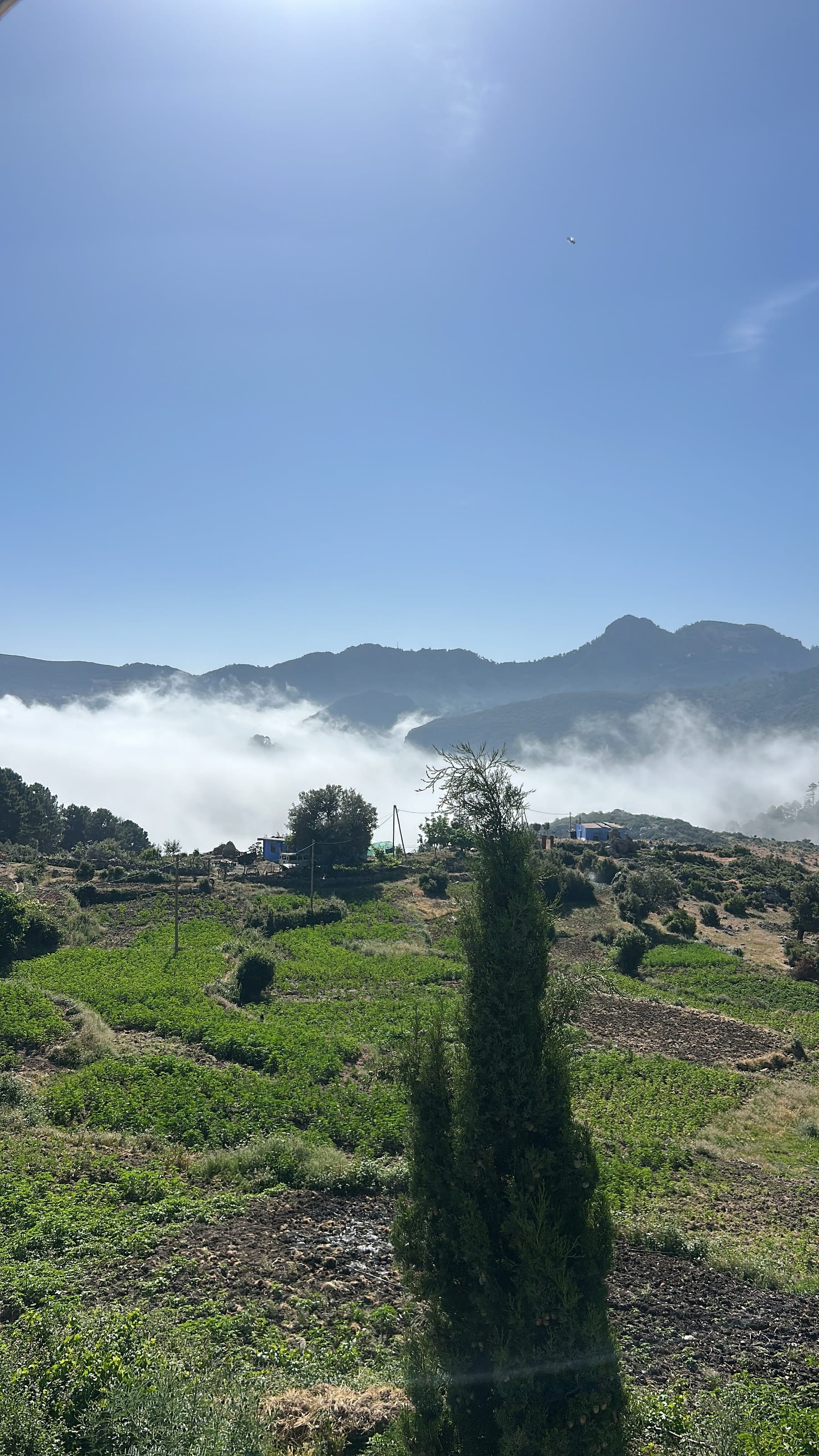
  2. Terraced fields and a cypress on the slopes of the Rif
    Fields and villages, stitched into the slopes of the Rif.© Yallah Expeditions
    Day 2

    Inside Rif culture

    A day inside the farming world that has shaped these valleys for centuries

    Morning

    Breakfast is taken facing the fields, with the sounds of the valley for company. Then we walk down among the crops that have shaped this region's landscape and economy for generations. Alongside local growers you watch and you learn: the gestures, the tools, the timings of farming knowledge handed from father to son.

    Afternoon and evening

    After lunch at the Farm we move on to other plots to watch traditional harvest processing: natural methods, entirely by hand, done today exactly as they were centuries ago. Not a performance staged for visitors — a trade, watched respectfully where it actually happens. In the evening: dinner, the terrace, and a sky of stars that feels closer than it should.

  3. The group walking beneath the great cedars, towards the camp
    On the way© Yallah Expeditions
    Day 3

    Into the Wild

    Trekking to Yallah Camping

    After breakfast we set off on foot: a guided trek of around three hours, at an easy pace, through the untouched forests around the Farm. Time to switch off, breathe, and get back to essentials.

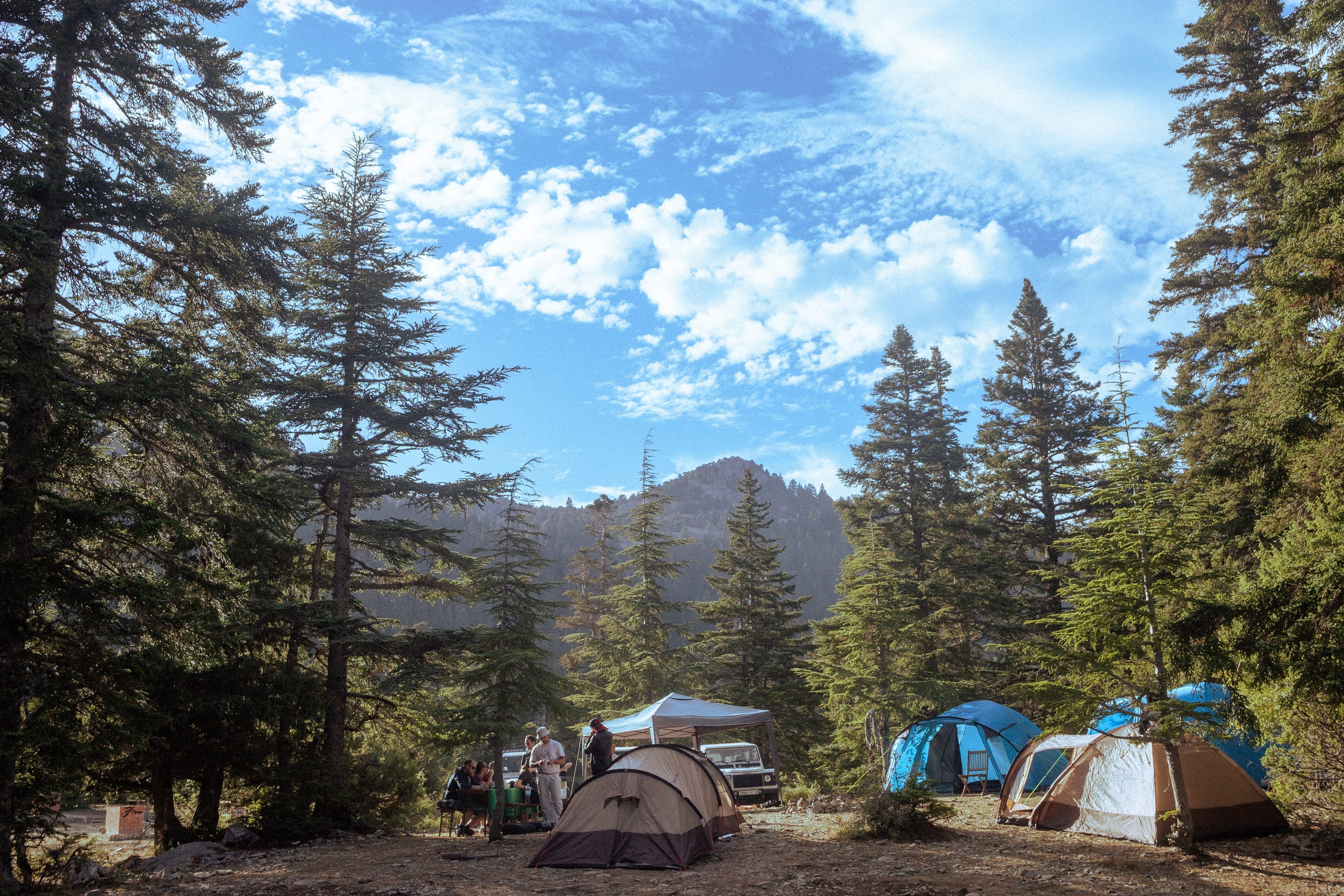
    We reach Yallah Camping around lunchtime, and mark it properly: a barbecue among the trees. Then the tents go up — this is where you sleep.

    The campfire, the music, the voices around the flames and, above all of it, a sky of stars you don't forget.

    Tents pitched among the pines at Yallah Camping
    The camp© Yallah Expeditions
    Someone lighting the campfire at the camp
    The fire© Yallah Expeditions
  4. A traveller sitting on a log, looking out over the valley
    Facing the valley, with no clock.© Yallah Expeditions
    Day 4

    Slow Life

    Back to the Farm

    You wake in the tent, with light coming through the trees. Breakfast with no clock, then an unhurried walk back to the Farm.

    The previous days will have left their mark — which is exactly why this one is given over to rest: free time, long views, a book on the terrace, and laundry service included so you set off light again.

    Stopping is part of the journey too. Here, it might be the best part of it.

    A traveller sitting outside the tent the morning after the night at camp
    The morning after the night under canvas.© Yallah Expeditions
  5. The water-carved gorges of Akchour with natural pools below
    The gorges of Akchour, carved by water.© Yallah Expeditions
    Day 5

    The Akchour waterfalls

    The natural wonder of the Rif

    A slightly earlier start; breakfast, the one you know well by now. Then into the Land Rovers, heading for the Akchour waterfalls in the heart of Talassemtane National Park.

    The day unfolds between water-carved gorges, paths cut into the rock and clear natural pools that, with a little agility, you can reach for a swim you'll remember. Lunch is eaten inside the park, with the river for company.

    In the late afternoon, back to the Farm: the last hours in the wildest part of Morocco.

    • Land Rover
    • Natural pools
    • Lunch in the park
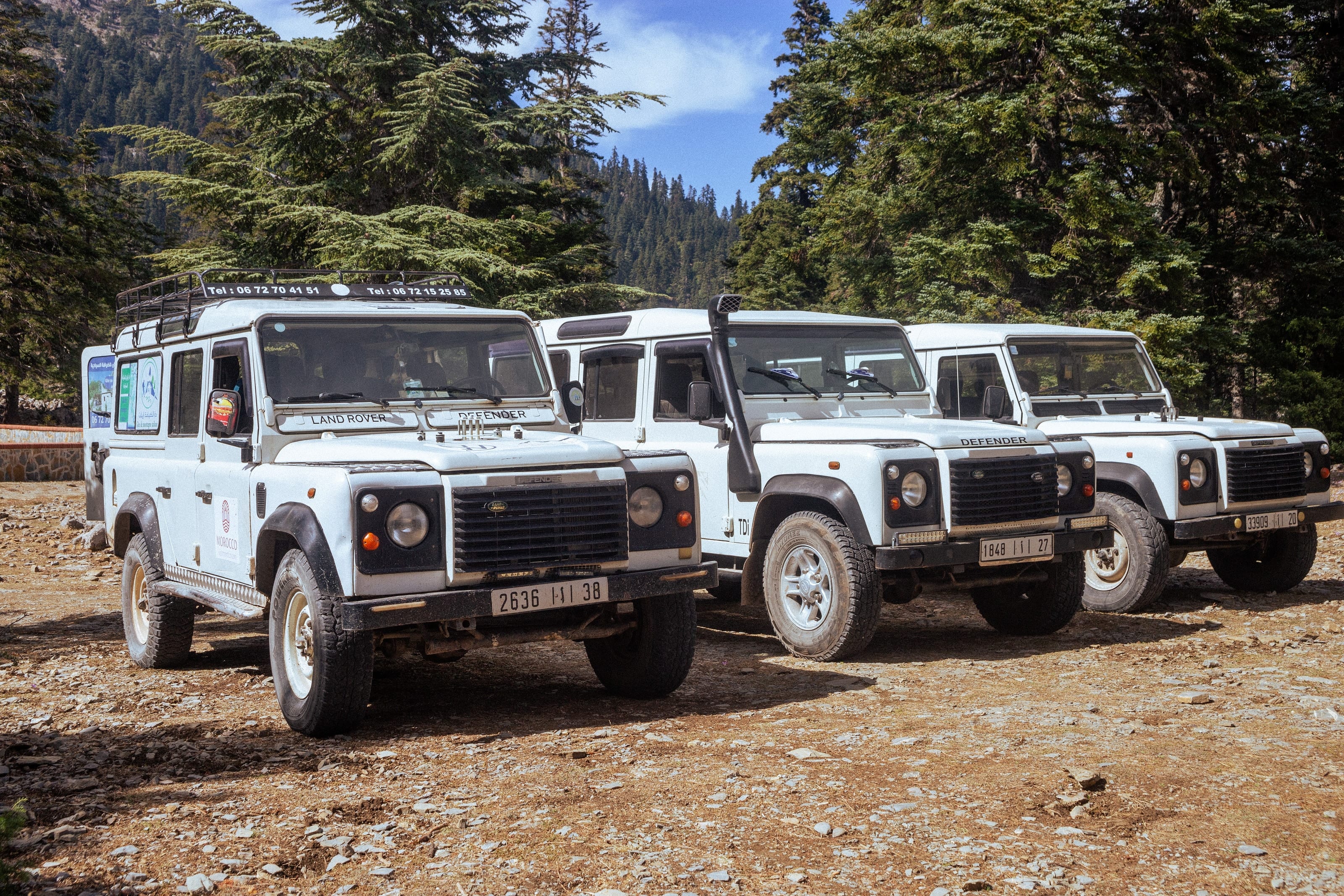
    Two Land Rovers parked among the cedars
    The Land Rovers, ready for the park© Yallah Expeditions
  6. A terrace overlooking the rooftops of the medina, with tables and chairs
    Back to the city, from a terrace above the medina.© Yallah Expeditions
    Day 6

    Last hours in the wild

    Goodbye to the Farm

    After breakfast the bags go in and you say goodbye to the people who, for these few days, made this feel like home. From here, the two groups take different roads.

    Tangier group

    A morning departure and a change of vehicle at Chefchaouen; arrival in Tangier around lunchtime. Check-in, a short break, then a guided walk through the Medina — lanes, markets and the memory of the strait. Free time, dinner and overnight.

    Fez group

    First a short guided walk through the blue lanes of Chefchaouen. Then a change of vehicle and the road to Fez, with a lunch stop on the way. Arrival in the late afternoon, check-in at the riad, free time and dinner in the city.

  7. The skyline of the Fez medina and its minarets, seen from a terrace
    Fez, the profile of the medina and its minarets.© Yallah Expeditions
    Day 7 — Departure

    Goodbye, Morocco

    The last day has the double step of anyone leaving: missing home, wanting to stay

    Tangier group

    An early-morning transfer to the airport, with a packed breakfast, in time for the flight back to Milan.

    Fez group

    The morning is given to the old Medina of Fez, a UNESCO World Heritage site: more than two thousand labyrinthine lanes, workshops, courtyards and a thousand years of history. Back to the riad to check out, then to the airport for the afternoon flight to Rome.

    A medina lane with market stalls and cats in the sun
    The lanes of the medina, where time slows down.© Yallah Expeditions

    You leave with a slightly heavier suitcase — and with something inside that wasn't there before.

Eight days, one place

That's the journey. When do we go?

Tell us the date you have in mind and how many of you there are: a real person answers, usually the same day.

The format

What's included

A journey thought through in every detail, from arrival to departure.

Accommodation
Riads and hotels in the cities, the Farm on the plateau, and a night under canvas at Yallah Camping.
Meals
Breakfasts, lunches and dinners with local produce, most of it grown on site.
Internal transport
Private transfers, vehicles built for the mountains, and Land Rovers for the excursions.
Activities
Guided trekking, the Akchour waterfalls, a night camping, and walks through the medinas.
Local guides
People from this land, who live it every day.
Experiences
Immersion in rural life and the traditions of the Rif, alongside the people who keep them.

Laundry service at the Farm is included too: you head home light.

The house

Our house at 1,500 metres

Set on the high plateaus of the Rif, at fifteen hundred metres, the Farm is the heart of the journey: a simple, well-kept house surrounded by fields, where daily life follows the rhythm of the mountain.

Days open with breakfast facing the valleys and close on the terrace, under a sky that hardly exists anywhere else now. In between: work in the fields, voices from the village, the smell of bread.

There is Wi-Fi, for anyone who needs it. Everything else is silence.

  • 1,500 m
  • Silence
  • Star-filled sky
  • Wi-Fi
Inside the Farm, between light and shadow
Inside the Farm, between light and shadow.© Yallah Expeditions
The Farm's dining room, looking out over the valley
The dining room, looking out over the valley.© Yallah Expeditions
Moroccan breakfast laid out in the Farm's blue dining room
Moroccan breakfast, every morning.© Yallah Expeditions
The table

Local flavours, food from the land

Cooking is one of the languages the Rif tells itself in. At the Farm you eat what the land gives: vegetables from the garden, warm bread, oil, spices, slow-cooked tagines, fruit in season.

Almost everything is grown right here: zero-kilometre cooking in the most literal sense, where every dish has a face and a place behind it.

Every meal is prepared with care, cleanliness and precision, with close attention to intolerances, allergies and dietary needs — just tell us before you travel.

A tagine and bread on a table by the river
Tagine and bread, by the river.© Yallah Expeditions
The experiences

Living the Rif

What you do, and what stays with you.

  • Trekking

    Old paths, between ridgelines and quiet forests.

  • Nature

    Talassemtane National Park, intact and wild.

  • Barbecue

    Fire, embers, and everyone gathered around the flames.

  • Camping

    A night under the stars, at Yallah Camping.

  • Mountains

    Views at 1,500 metres, where the eye keeps going.

  • Local cooking

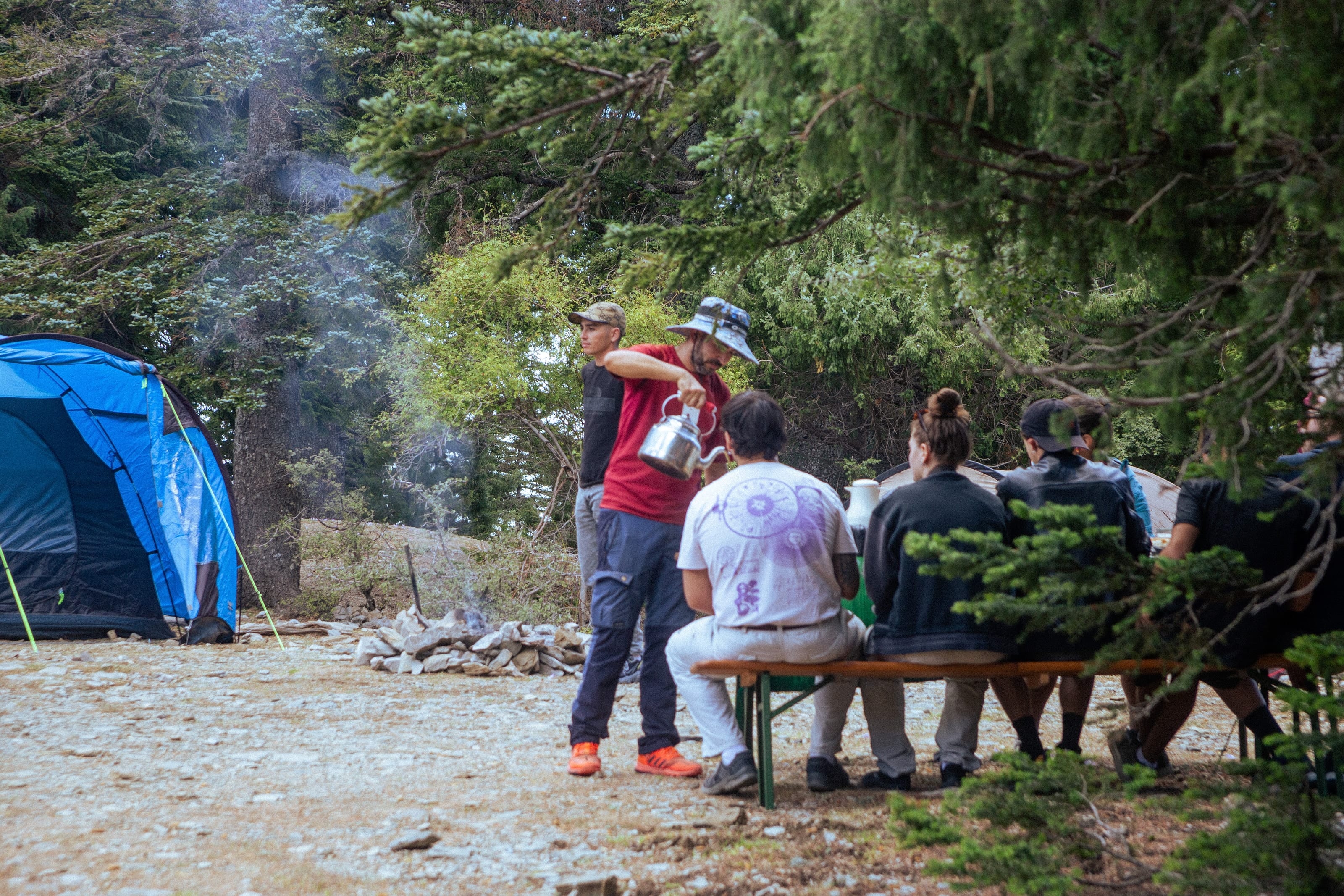
    Tagine, bread straight from the oven, mint tea poured from a height.

  • Rural life

    The real rhythm of the villages and their seasons.

  • «Yallah»

    In Arabic it means "let's go". It's an invitation before it's a name.

Small groups

There are few places, on purpose

We walk in small numbers because it's the only way to be guests rather than a passing crowd. Write before the good dates go.

The journey

Not just a journey.
An immersion.

Far from the conventional tourist routes, among the mountains, forests and villages of the Rif, we've built something for travellers looking for the truest face of Morocco.

Nature, culture, tradition and people run through an itinerary that crosses untouched landscapes and old communities: eight days in which time slows down, small gestures regain their weight, and contact with the land becomes the point.

We're not offering a Morocco to visit. We're offering one to live in — at the slow pace of its mountains, at the table of its families, under its sky.

Limestone ridges of the Rif stretching to the horizon
Limestone ridges, where the mountains open towards the Mediterranean.© Yallah Expeditions
An old pine in the forest of Talassemtane National Park
The forests of Talassemtane National Park.© Yallah Expeditions
The land

The authentic heart of Morocco

In the north of the kingdom, between the Mediterranean and the first inland plains, lies the Rif: a range at once harsh and generous, left aside by the great tourist routes and, for exactly that reason, the keeper of a rare identity.

Here villages cling to the ridgelines, fields are still terraced by hand, and hospitality isn't a courtesy: it's a tradition handed down from house to house.

  • 01

    Mountains

    Summits, ridgelines and the forests of Talassemtane National Park.

  • 02

    Rural villages

    Farming communities, slow rhythms, a life stripped to what matters.

  • 03

    Culture and tradition

    A heritage passed from one generation to the next.

  • 04

    Hospitality

    Welcome as an old duty, and as a genuine pleasure.

One crop, one history

Kif, the Rif, and a landscape you can't read anywhere else

You don't cross the Rif without meeting it. Kif — the hemp grown on these slopes for centuries — cut the terraces, decided where the paths would run, and held up the economy of entire valleys long before anyone here spoke of tourism.

It's a mountain crop, suited to poor soil and gradients that discourage almost everything else. It's sown, tended and harvested entirely by hand, on a calendar families keep and pass on the way you pass on a name. The processing you can watch today is the same that nineteenth-century travellers described.

To tell that story is to tell the Rif as it is: a region left at the margins, which made the land its identity, and which is now renegotiating its relationship with a plant that became legal after a century underground.

The 2021 law
Morocco legalised cultivation for medical, cosmetic and industrial use, creating a national agency to license and regulate it.
The three authorised provinces
Al Hoceima, Chefchaouen and Taounate — all three in the Rif, where the crop existed long before any law named it.
A trade, not a show
The work is watched where it happens, with the consent of the people doing it. There is no version staged for visitors.
What remains illegal
Recreational use. The legislation covers the agricultural and industrial supply chain, not consumption.

This journey is an experience of nature and rural culture. It neither includes nor promotes any consumption: the above describes the agricultural and historical context of the land you travel through.

Terraced fields at the foot of the Rif mountains
The fields, at the foot of the mountains.© Yallah Expeditions
A man pouring mint tea from a height, in the traditional way
Tea, poured from a height: a gesture of welcome.© Yallah Expeditions
Rif culture

A land of traditions

You don't visit the Rif: you meet it. In the faces of the people who live here, in the memory of its families, in the dignity of a mountain people who made the land their identity and community their most solid institution.

The history of this region is one of independence and pride, of farming knowledge and ties that maps don't record. To sit at a table in the Rif and accept a glass of tea is to become — for a moment — part of all of it.

Inside a craft workshop with hand-carved decorative panels
Workshops and trades: craft that outlasts time.© Yallah Expeditions
The farming tradition

Knowledge handed down through time

  • Terracing
  • Handwork
  • Seasons
  • Memory

In these valleys farming isn't an activity: it's a mother tongue. Terraces cut from the slope, dry-stone walls, water led down channel by channel — all of it tells of generations of patient work, done by hand and from memory.

Every family keeps an unwritten calendar — sowing, tending, harvest — and passes it on the way you pass on a name. The crops that made the Rif known still follow entirely natural, entirely manual methods, identical to those of centuries ago.

Watching them up close means understanding something essential: here the land isn't a backdrop, it's a pact.

An old pine standing tall in the Talassemtane forest
Our approach

Slow, respectful travel

We don't take people to a place.
We create a meeting between cultures.

Small groups, guides from the area, local houses and local kitchens: every choice in this journey is made to leave value with the people who host us, and to give the traveller something real rather than a performance.

We walk slowly, we ask permission, we learn names. It's a different way of travelling — and it's the only one we know.

The Rif valley in the morning, under a sea of low cloud
Yallah Expeditions

Who we are

How the project started

Yallah Expeditions grew out of a personal tie to the Rif: journeys repeated over years, friendships built among these mountains, and a conviction that formed along the way — that the truest Morocco isn't in the famous places, but in the houses, the fields and the silences of its interior.

We built this itinerary together with the people who live here — families, growers, guides — not to show a place off, but to introduce it.

«Yallah», in Arabic, means "let's go". It's an invitation before it's a name.

  • Eight days
  • Small groups
  • Real places
Before you go

Practical information

A few things, the right ones.

Airports

There are two ways in: Tangier and Fez. Groups form according to the arrival city and share the same itinerary from the first day in the mountains to the last. The eight days include the evening of arrival.

Climate and altitude

The Farm sits at around 1,500 metres: mild, bright days and cool evenings in every season. A warm layer for the evening is always a good idea.

Connectivity

There's Wi-Fi at the Farm; mobile coverage in the mountains can be patchy. Treat it as an invitation.

What to wear

Dress in layers: comfortable clothes, walking boots you've already broken in, a jacket for the evening, and a swimsuit for the natural pools at Akchour.

What to bring

Day pack, water bottle, torch or head lamp, towel, sun cream, hat, power bank and any personal medication.

Dietary needs

The kitchen is careful and precise: intolerances, allergies and particular diets are handled properly. Just let us know when you book.

The pine forest of Talassemtane National Park along the trail
The forests of Talassemtane National Park, along the way.© Yallah Expeditions
Book

Pick a date, and we're already walking

Tell us when you'd like to leave and how many of you there are. The summary goes straight to WhatsApp and a real person answers, usually the same day.

September 2026

Mo
Tu
We
Th
Fr
Sa
Su

Dates are indicative: we need at least 21 days' notice to arrange flights and transfers. We'll settle the final departure together.

How many of you
2
Where you fly into

What you're about to send

Hi Yallah! I'd like information about the eight-day journey through the Rif.

Preferred departure: to be decided
People: 2
Flying into: to be decided

Thank you!
Send on WhatsApp

WhatsApp opens with the message ready. You send it — nothing goes before that.

Setting off

Request the brochure

We'll send you the full programme, day by day, with all the practical details. Every request gets a real reply from a real person.

The brochure is currently available in Italian only — write to us in English and we'll answer in English.

Prefer to write directly?